
It is officially the peak of summer, and while many are looking to enjoy the season, a persistent health concern has emerged: a widespread outbreak of cyclospora. Since May, at least 34 states have reported cases of cyclosporiasis, an infection characterized by severe diarrhea, abdominal cramps, and flu-like symptoms. The outbreak, which originated in Michigan, has hit the Midwest particularly hard, with significant clusters identified in Ohio, Kentucky, and West Virginia, alongside notable reports in New York and Texas.
The illness is caused by the microscopic parasite Cyclospora cayetanensis. It is primarily transmitted through the ingestion of food or water contaminated with fecal matter, a risk that increases during the warmer months when irrigation water may be compromised. Because the parasite has an incubation period of up to six weeks, individuals may not realize they are infected until long after the initial exposure.
Understanding the Risks and Prevention
According to the latest data from the Centers for Disease Control and Prevention (CDC), more than 1,600 cases have been confirmed, with thousands more currently under investigation. While health officials have not issued specific bans on particular food items, the consensus remains clear: the most effective way to prevent cyclosporiasis is to avoid consuming food or water that may be contaminated with feces.
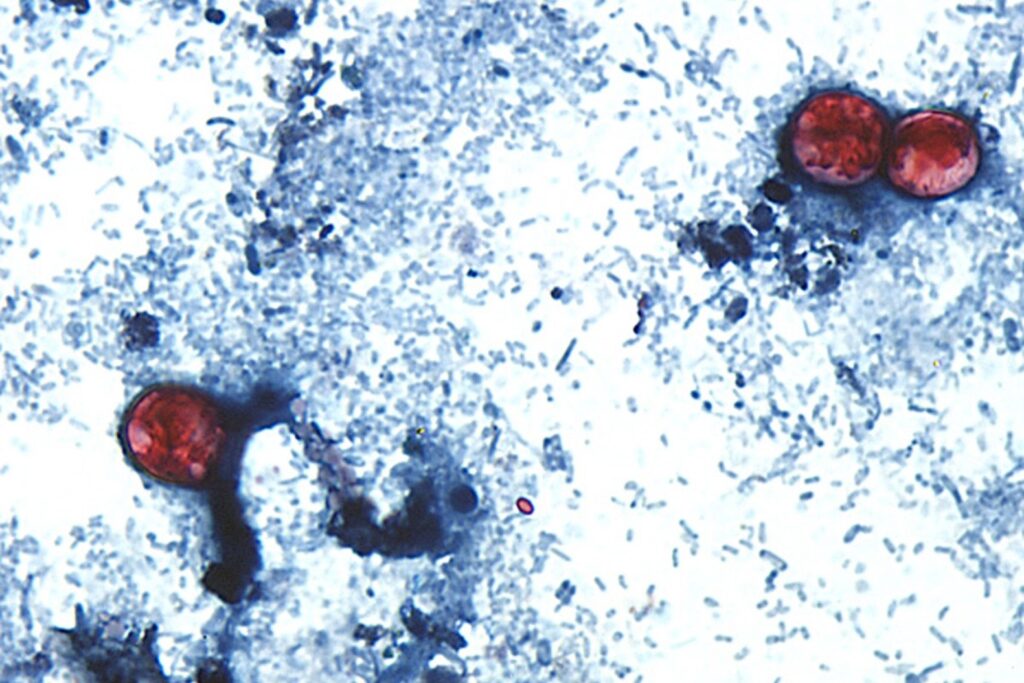
Experts emphasize the importance of rigorous food hygiene. Thoroughly washing produce before consumption and storing sliced or cooked vegetables at appropriate refrigerated temperatures are essential steps to mitigate risk. Despite these precautions, the outbreak has sparked widespread anxiety, with some consumers opting to avoid raw fruits and vegetables entirely until the situation stabilizes.
The Impact of Policy and Surveillance
The current situation has reignited debates regarding the efficacy of federal monitoring programs. Critics point to significant cuts made to the Foodborne Diseases Active Surveillance Network (FoodNet), which previously played a critical role in tracking outbreaks. With reporting for many pathogens downgraded to “optional,” public health advocates argue that the federal response to such outbreaks has been hampered by a lack of robust data and oversight.
marked safe from explosive diarrhea pic.twitter.com/dUbmpVbqU7
— Andrea (@iiiitsandrea) July 14, 2026
As the summer continues, the combination of heat waves and a contagious parasite has created a challenging environment for public health. While social media users have turned to humor to cope with the “diarrheal scourge,” the reality of the situation remains a serious reminder of the importance of food safety infrastructure and the consequences of reduced regulatory oversight.