
When Naomi “Nomz” Bistline first auditioned for her prison band, she initially aimed for the guitar. However, a spontaneous vocal performance of Miley Cyrus’s “Flowers” quickly shifted her trajectory. “They said, ‘Put the guitar down. Let’s just hear you sing,’” she recalls. “And they said, ‘We got our lead vocalist.’”
For the 27-year-old, the moment was transformative. Despite her initial apprehension about performing before fellow inmates, she found a sense of purpose in the lowest point of her life. “I’m the lowest that anyone will be,” she says. “Nobody has phones to video me and mock me or anything. Like, why not?”
Bistline’s journey to this stage was harrowing. She was one of 23 “spiritual wives” of Samuel Bateman, a self-proclaimed prophet and leader of a small offshoot sect of the Fundamentalist Church of Jesus Christ of Latter-Day Saints (FLDS). Bateman, who claimed to be the heir to Warren Jeffs, subjected his followers—many of whom were minors—to systemic abuse. Bistline’s incarceration stemmed from her involvement in a 2022 incident where she was directed by Bateman to remove minors from state custody.
Her story is now reaching a wider audience through the Netflix docuseries Trust Me: The False Prophet, which highlights the work of Christine Marie, a cult psychology expert who infiltrated Bateman’s group to secure the evidence needed to dismantle it. For Christine Marie, witnessing Bistline’s evolution has been profound. “To see her come into her own is a profound experience,” she says. “She’s finding her independence and walking her own walk and making her own decisions.”
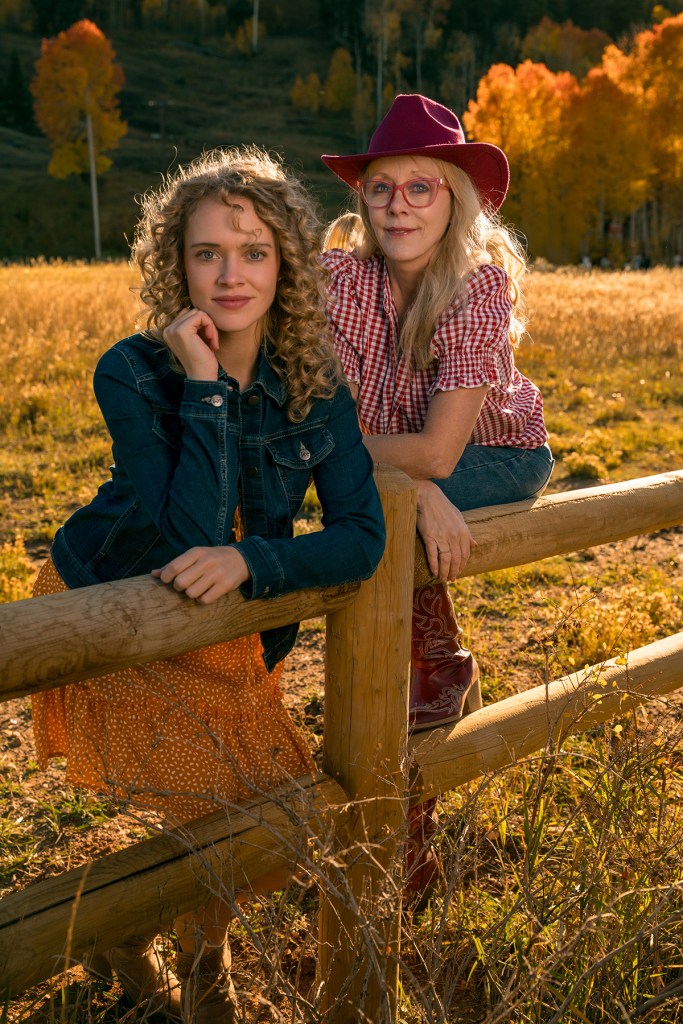
Healing Through Sound
Music has become a cornerstone of Bistline’s recovery. While her upbringing in the FLDS was defined by religious hymns, she is now exploring secular pop and country, drawing inspiration from artists like Billie Eilish and Lady Gaga. She describes her own songwriting as a mix of pop and country, often serving as a “rage anthem” against her past.
“Whenever I’m getting overstimulated or overwhelmed, I usually just put on music or start singing,” she explains. “It’s a go-to and so easy to do.”
As she works on her debut album, Bistline is also pursuing a degree in psychology. Her goal is to become an advocate for others trapped in coercive relationships. Reflecting on her progress, she remains humble yet optimistic. “I’m still in this space where it’s overwhelming, but a relief,” she says. “I didn’t expect this much support.”
Bistline’s story serves as a testament to the resilience of the human spirit. By documenting her “firsts”—from her first restaurant meal to her first trip to the theater—she is slowly building a life defined by her own choices rather than the dictates of a cult leader.