A New Chapter of Maximalism
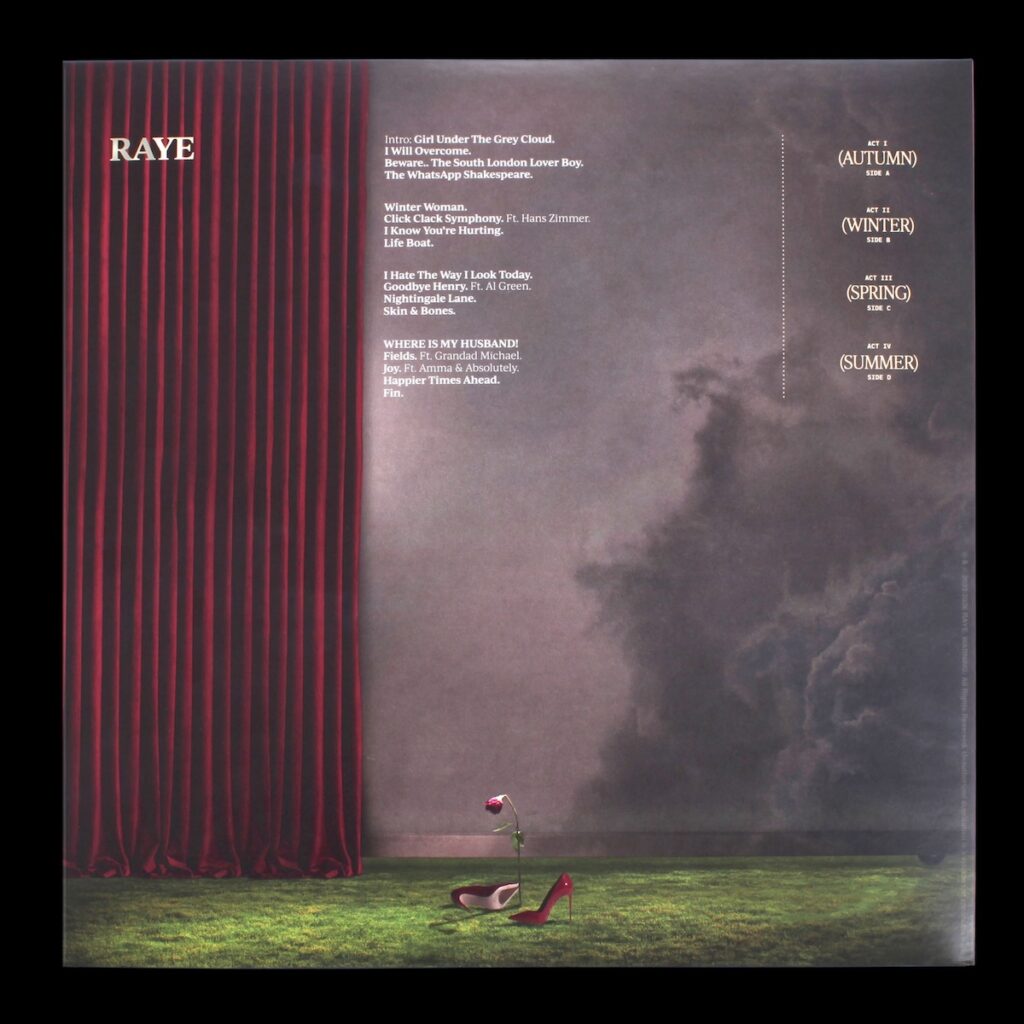
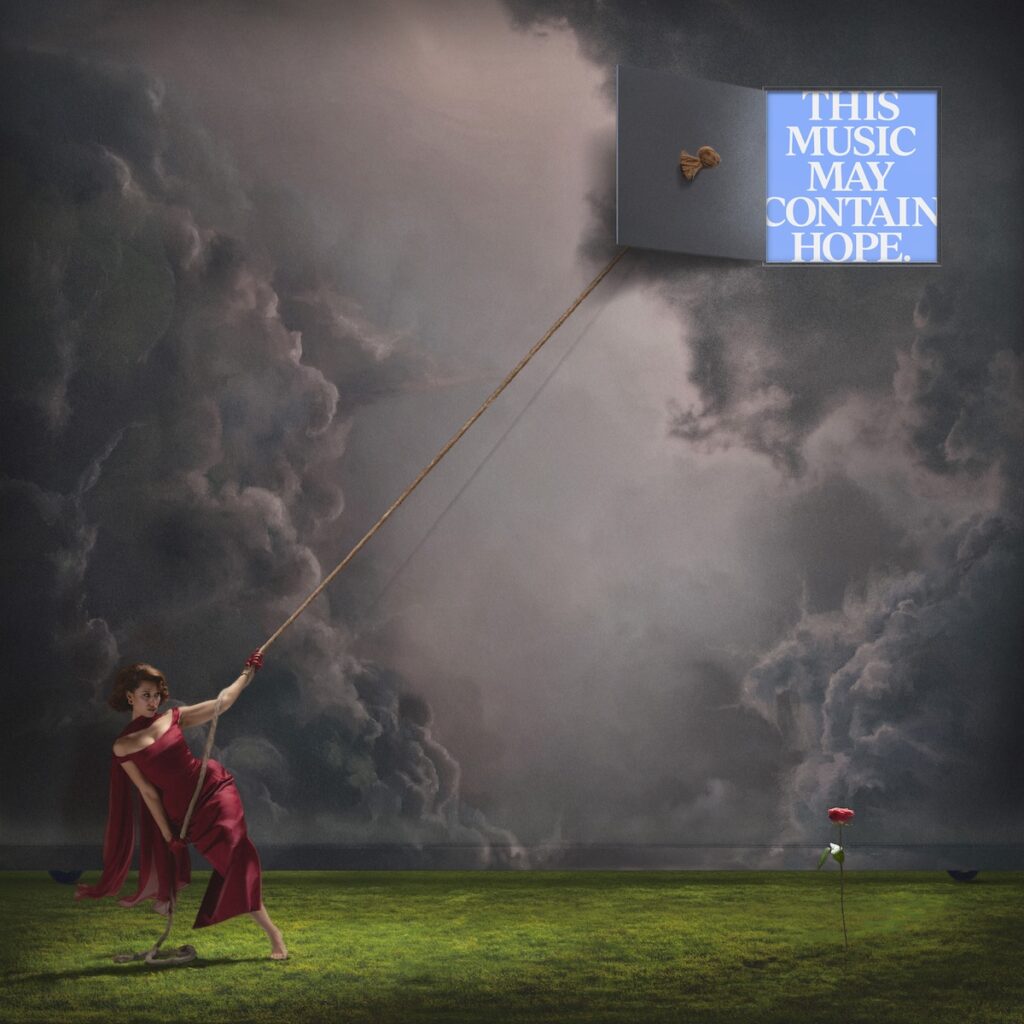
Sophomore albums often serve as a safe harbor for artists, a place to refine the sound that brought them initial success. However, Raye has chosen a different path with This Music May Contain Hope, the follow-up to her critically acclaimed 2023 debut, My 21st Century Blues. Rather than playing it safe, Raye has delivered an ambitious, sprawling project that functions as a manifesto of her artistic range, blending pop, R&B, soul, and jazz into a 17-track odyssey presented in four distinct acts.
The album is a testament to her refusal to be categorized. By incorporating guest appearances from legendary figures and family members alike, and utilizing lush orchestral arrangements, Raye has crafted a record that feels less like a traditional album and more like a comprehensive showcase of her creative identity. It is a bold swing, one that prioritizes emotional honesty and musical experimentation over radio-friendly brevity.

Raye’s vocal versatility is the glue that holds this disparate collection together. Whether she is channeling the theatricality of opera, the grit of modern R&B, or the classic soul sensibilities of the 1970s, she remains in complete command. Tracks like “I Hate The Way I Look Today” utilize 1940s boogie-woogie to explore contemporary anxieties, while “Goodbye Henry” features a legendary collaboration with Al Green, grounding the album in timeless soul traditions.
The Challenges of Ambition
While the album’s adventurous spirit is undeniably thrilling, its sheer scale can occasionally feel overwhelming. At 73 minutes, the project demands a significant investment from the listener. Unlike concept albums that rely on a singular, linear narrative, This Music May Contain Hope is a collection of individual vignettes connected by a thematic thread of resilience against life’s darker moments.
Some tracks suffer from a “maximalist” approach, where the inclusion of extra bridges, spoken-word outros, or 4th-wall-breaking intros can feel like an unnecessary addition to an already dense composition. For instance, the transition in “Click Clack Symphony” from a propulsive anthem to a cinematic, meditative montage feels slightly disjointed. However, these moments of excess are also what make the album uniquely Raye. Her work is driven by heart rather than calculation, and that earnestness often outweighs the occasional lack of restraint.
For those finding the full 73-minute experience daunting, the album is best consumed in smaller, curated batches. Songs like “Winter Woman” and “Nightingale Lane” offer profound, distinct explorations of heartbreak, while “Skin & Bones” provides a sharp, witty commentary on modern dating culture. When viewed as individual pieces of a larger puzzle, the brilliance of Raye’s songwriting becomes even more apparent.
A Refreshing Stance in Modern Pop
In an era where pop music is often designed for algorithmic efficiency and brevity, Raye’s commitment to a sprawling, ambitious vision is a breath of fresh air. She is not merely chasing momentum; she is building a legacy. This Music May Contain Hope may be messy at times, but it is a beautiful, human mess that captures an artist at the peak of her creative powers.
Ultimately, the album succeeds because it feels authentic. It is a record that dares to contain multitudes, proving that Raye is not just a pop star, but a sophisticated songwriter capable of bridging the gap between the past and the future of music. It is a bold, necessary statement in today’s landscape.