
It’s easy to forget that Tinariwen broke through before labels and curators Awesome Tapes from Africa and Sahel Sounds introduced American audiences to similar artists. Yes, Ali Farka Touré may have first hipped folks to desert blues on Talking Timbuktu, his 1994 collaboration with Ry Cooder. However, Tinariwen has been consistently releasing strong records since their 2001 breakout The Radio Tisdas Sessions.
Tinariwen, a collection of nomadic Tuareg musicians from Mali and Algeria, is best known for their desert blues style, which feels like an amalgamation of music from North Africa such as pentatonic guitar and rock. Lyrically, the songs mix traditional Tuareg themes with songs about war. The Sahara Desert and its landscapes often appear in the lyrics. However, American audiences don’t need to read too deeply if they choose not to, since desert blues is primarily about its vibe.
More from Spin:
- JAŸ-Z Books Yankee Stadium For Anniversary Gigs
- Mike Mills Rocks With R.E.M. Tribute In Indiana
- Pearl Jam Presses Ahead After Matt Cameron Departure
On Hoggar, Tinariwen’s 10th studio album, the collective adopts a stripped-back approach after collaborating with Daniel Lanois on Amatssou in 2023. This time around, Tinariwen focuses more on acoustic instruments and communal singing that is still propelled by bluesy guitars. There are also fewer guest features. José González shows up on “Imidiwan Takyadam” and Sudanese singer and oud player Sulafa Elyas appears on “Sagherat Assani,” but beyond those two, Hoggar is mainly a Tuareg affair.
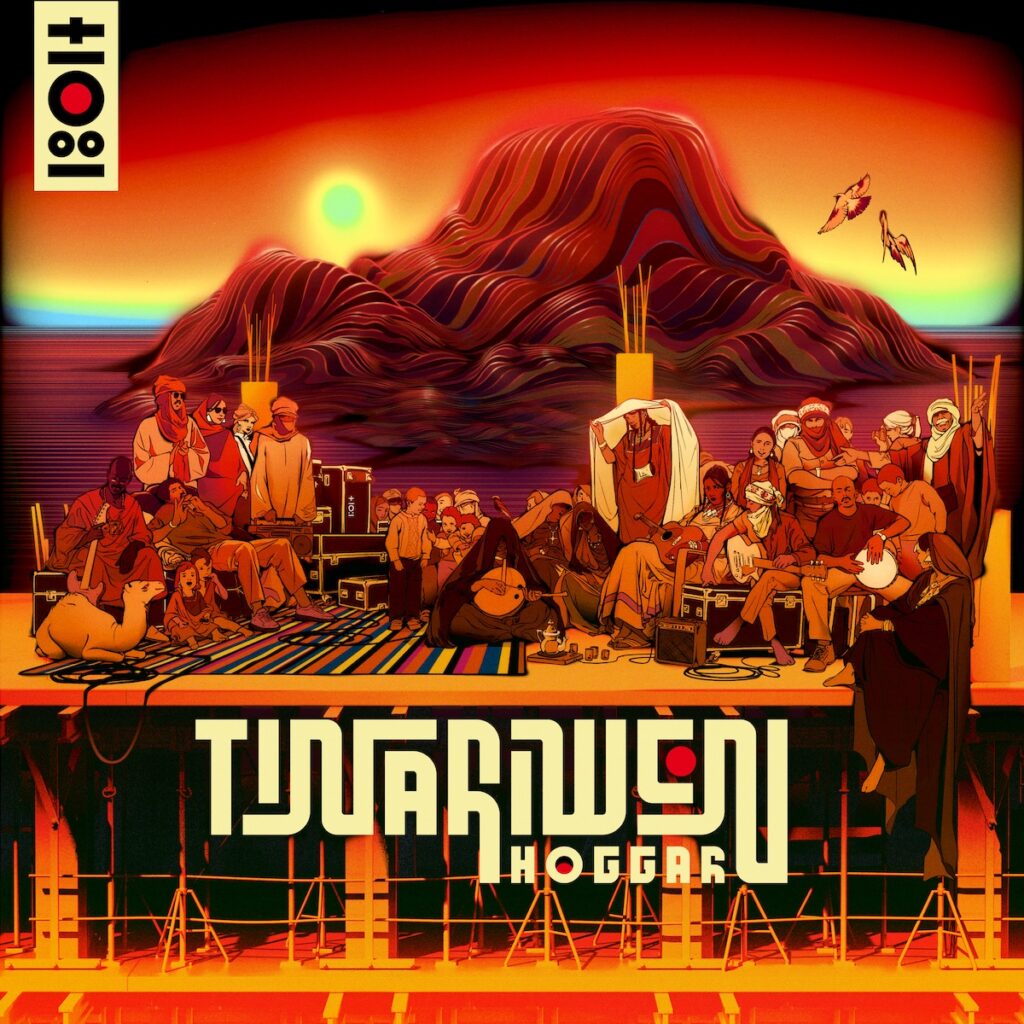
Hoggar feels like a reflexive step back for the collective. Global acclaim brought Tinariwen opportunities, and collaborators from Warren Ellis to Cass McCombs lined up to work with them. The album also allowed founding members Ibrahim Ag Alhabib and Abdallah Ag Alhousseyni to sing together for the first time in 30 years.
The album is named after the Hoggar Mountains, a range that spans the southern portion of Algeria. Known for its blazing hot summers and bitterly cold winters, the region is a harsh place. Though many members of Tinariwen are from Mali, political unrest forced them to decamp to a new home in Algeria. They recorded the album in the city of Tamanrasset, where up-and-coming Tuareg band Imarhan has a studio.
In the process, the members of Tinariwen worked with Imarhan to write songs about political upheaval. For example, Iyad Moussa Ben Abderrahmane contributes backing vocals on opening track “Amidinim Ehaf Solan” and handclaps on the stirring “Tad Adounya.”
Despite the back-to-basics approach, fans will instantly recognize Tinariwen’s signature sound on these 11 tracks. In a time when the U.S. government is trying to “other” and dehumanize those who don’t look like or sound like white Americans, Tinariwen’s music exists to help us understand that humanism will always triumph, despite what those in power want us to believe.
To see our running list of the top 100 greatest rock stars of all time, click here.